

Explore North East India
About North East India
Explore North East India – The Untamed Beauty of the Himalayas North East India is a land of untouched landscapes, rich cultures, and soulful experiences. Blessed with rolling hills, misty valleys, and cascading waterfalls, this hidden gem of India promises a journey unlike any other. From the living root bridges of Meghalaya and the serene monasteries of Sikkim to the tea gardens of Assam and tribal villages of Nagaland, every corner of the North East tells a story of nature and heritage intertwined. Cruise on the mighty Brahmaputra, trek through pristine forests, or simply soak in the peace of the Himalayas — North East India is where adventure meets tranquility.
Available Packages
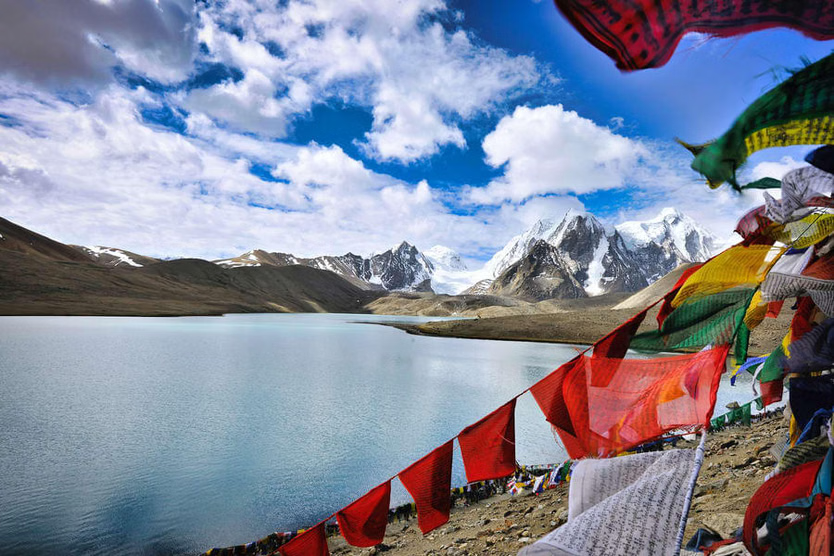
Highlights of North Sikkim | FREE Visit to Bhim Nala Falls
5 Nights 6 Days
Planning your North East India trip
North East India is the country's most underrated frontier — eight states stitched together by the mighty Brahmaputra, mist-wrapped hills and a culture utterly distinct from the plains. A North East India tour package typically threads together Assam's one-horned rhinos at Kaziranga, Meghalaya's living root bridges and rain-soaked Cherrapunji, and the high-altitude monasteries of Arunachal Pradesh. For Indian travellers it offers a passport-free escape into landscapes that feel genuinely foreign, all within a single domestic flight.
Why visit North East India
Few regions pack as much variety into one trip as the North East. In a week you can drift past elephants and rhinos on the floodplains of the Brahmaputra, trek to double-decker root bridges grown by hand over generations, and stand beside turquoise rivers so clear the boats appear to float on air. The famous Seven Sisters — Assam, Meghalaya, Arunachal Pradesh, Nagaland, Manipur, Mizoram and Tripura — plus the 'brother' state of Sikkim, each carry their own tribes, cuisines and festivals.
Crucially for Indian travellers, this is all domestic. No visa, no currency exchange, no international roaming — just an internal flight and a sense of arriving somewhere that looks nothing like home. The hospitality is warm, the air is clean, and the pace is refreshingly unhurried.
Highlights you shouldn't miss
Most itineraries are built around a handful of standout experiences. These are the ones that define a North East trip:
- Kaziranga National Park (Assam) — home to the world's largest population of the greater one-horned rhino, best seen on an early-morning jeep safari; also home to tigers, wild buffalo and swamp deer.
- Living root bridges (Meghalaya) — at Nongriat near Cherrapunji, including the iconic double-decker bridge, reached by a long but rewarding stair-trek through the rainforest.
- Dawki & Umngot River (Meghalaya) — the famously transparent river near the Bangladesh border where wooden boats seem to hover above the riverbed.
- Tawang (Arunachal Pradesh) — a high-altitude town crowned by one of the largest Buddhist monasteries in the country, reached via the dramatic Sela Pass.
- Brahmaputra & Majuli — sunset river cruises near Guwahati and a ferry to Majuli, the world's largest river island and a centre of Assamese Vaishnavite culture.
- Shillong & Cherrapunji — pine-clad hills, waterfalls and some of the wettest, greenest scenery on Earth.
How to reach and get around
The main gateway is Guwahati (GAU), Assam's largest city, with direct flights from Delhi, Mumbai, Kolkata, Bengaluru and other metros. Kolkata is a common connecting hub, and onward domestic flights also serve smaller airports such as Shillong, Dibrugarh and Imphal. From central India, expect one stop via Delhi or Kolkata.
Once you land, the North East is best explored by road. Distances look short on a map but mountain routes are slow and winding, so most packages use private vehicles with experienced local drivers. Guwahati typically serves as the base for Kaziranga and Meghalaya, while Arunachal and Tawang involve longer multi-day drives over high passes. Rail reaches Guwahati and a few other towns, but flying in and driving out is the standard, time-efficient approach.
Best time to visit North East India
| Season | Weather | Why go |
|---|---|---|
| October–November (post-monsoon) | Crisp, clear and dry | Arguably the finest window: lush green landscapes after the rains, comfortable temperatures and clear mountain views. Kaziranga typically reopens for safaris around this time. |
| December–February (winter) | Cold, dry, sunny days | Peak season for wildlife and sightseeing. Excellent for Kaziranga and the plains; Tawang and the high passes are very cold and may see snow, so check road conditions. |
| March–April (spring) | Mild and blooming | Rhododendrons and orchids flower across the hills, valleys turn vivid green, and crowds thin out. A lovely time for Meghalaya and Arunachal before the rains arrive. |
| May–June (early summer) | Warm, increasingly humid | Still doable, with greenery building up, but heat and pre-monsoon showers begin. Lower-altitude areas can feel sticky; hill stations stay pleasant. Kaziranga's safari season typically winds down by late May. |
| July–September (monsoon) | Very heavy rainfall | Cherrapunji and Mawsynram are among the wettest places on Earth — spectacular waterfalls, but landslides, leeches and travel disruption. Kaziranga safari zones largely close. Best avoided for touring. |
North East India packages — FAQs
Do Indian travellers need a permit for a North East India trip?
No visa is needed since it's all within India, but an Inner Line Permit (ILP) is required for Arunachal Pradesh, Nagaland, Mizoram and Manipur. Assam, Meghalaya, Tripura and Sikkim do not require one. Permit rules and validity are revised periodically, so check the current requirements for your chosen states before travelling — most tour operators arrange ILPs as part of the package.
What is the best time to visit North East India?
October to April is the ideal window, with clear skies, comfortable weather and full access to Kaziranga's safari zones. October–November and March–April are especially scenic. Avoid the July–September monsoon, when heavy rain causes landslides and many wildlife areas close.
How many days do I need for a North East India tour?
A focused Assam–Meghalaya trip works well in 6–8 days. Adding Arunachal Pradesh and Tawang, which involves long mountain drives, pushes it to 10–12 days or more. The terrain is slow to cover by road, so it's better to do fewer states properly than to rush across all of them.
How do I reach North East India from central India?
Fly into Guwahati (GAU), the main gateway, usually with one connection via Delhi or Kolkata. From Indore and similar cities, expect a one-stop journey. Guwahati then serves as the base for road travel into Kaziranga, Meghalaya and beyond.
Is North East India safe for tourists and families?
Yes, the popular tourist circuits across Assam, Meghalaya, Arunachal and Sikkim are generally safe and welcoming for families and solo travellers alike. As anywhere, travel with a reputable operator, keep your permits in order, and check current local advisories for any specific area before you go.
Can I see one-horned rhinos on a North East India tour package?
Yes. Kaziranga National Park in Assam holds the world's largest population of the greater one-horned rhino, and most packages include a jeep safari. The park is typically open through the dry season, roughly late October to April, so plan within that window and confirm the current opening dates before booking for the best sightings.