

Explore Japan
About Japan
Discover Japan – Tradition Meets Innovation Japan is a mesmerizing blend of ancient traditions and cutting-edge modernity. From the serene temples of Kyoto and historic streets of Nara to the neon-lit skyscrapers of Tokyo, Japan offers a journey that’s both culturally rich and visually stunning. Experience the fleeting beauty of cherry blossoms, savor authentic sushi and street food, explore majestic Mount Fuji, or relax in natural hot springs. Whether it’s the tranquil tea ceremonies, bustling city life, or world-class shopping and entertainment, Japan captivates travelers at every turn.
Available Packages
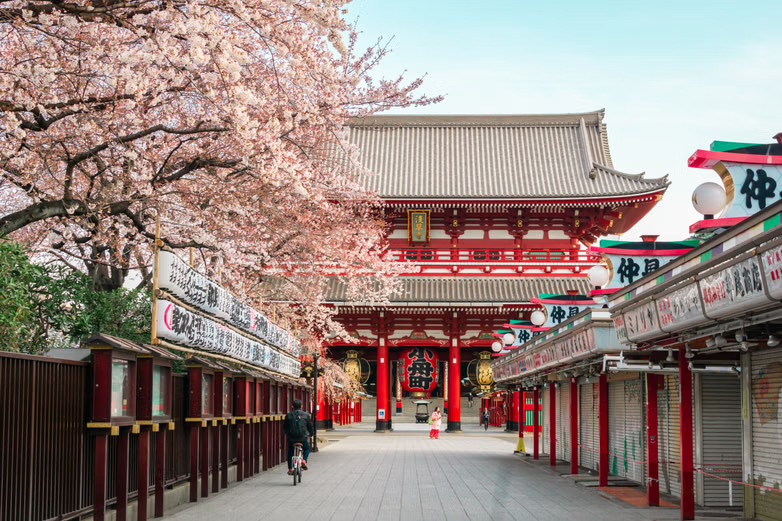
Explore Japan | Journey to the Cultural Treasure Trove
5 Nights 6 Days
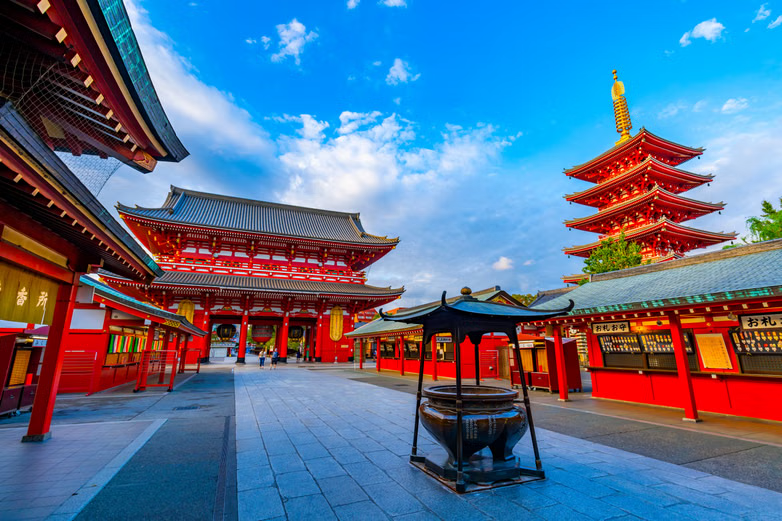
Discover Japan | From Tokyo Skylines to Osaka Sights
7 Nights 8 Days
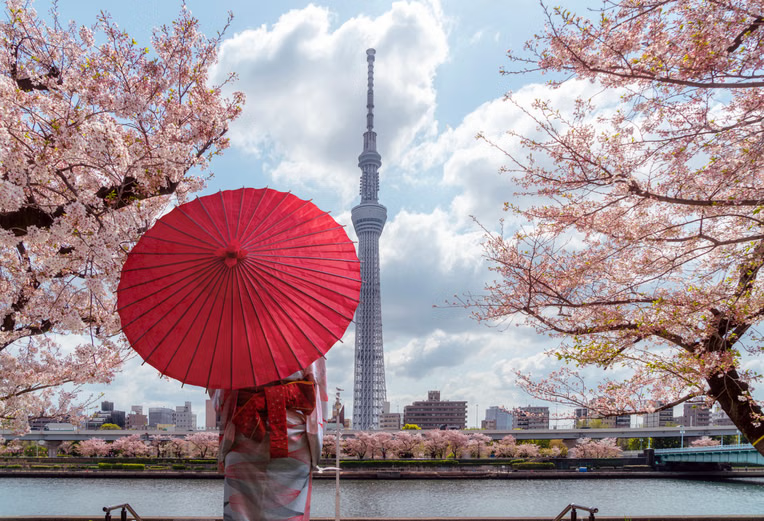
Best of Japan | Ancient Shrines to Futuristic Skylines
8 Nights 9 days
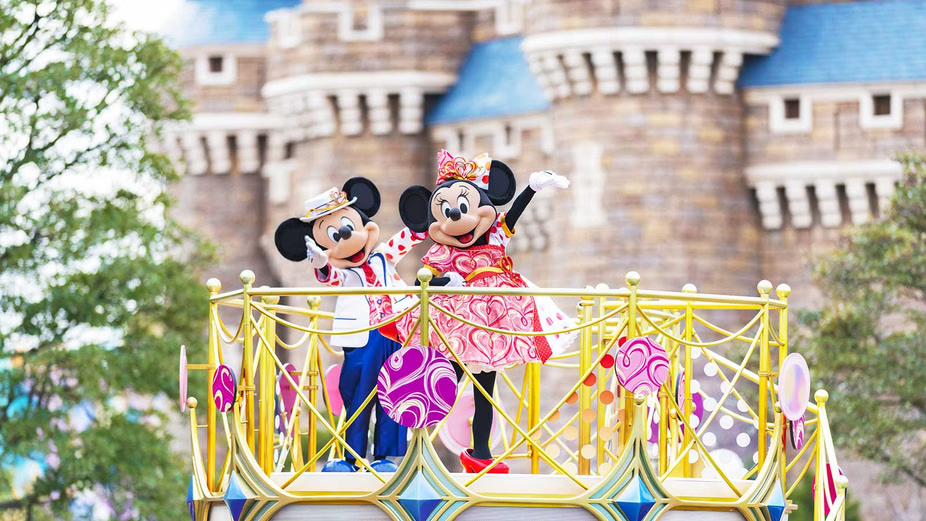
Treasures of Japan
7 Days 6 Nights
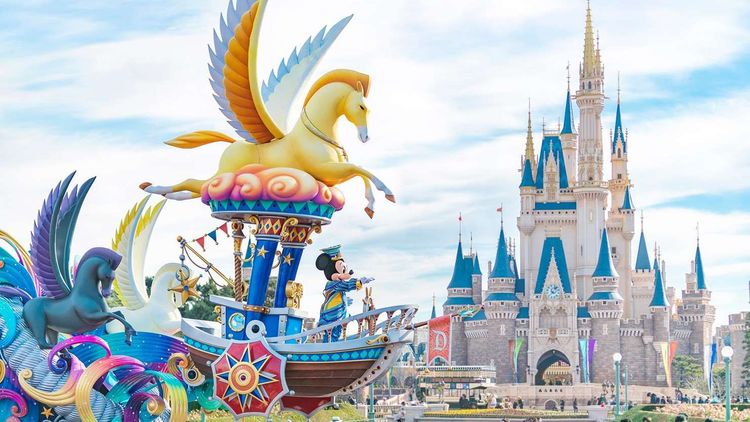
Best of Japan | Ancient Shrines to Futuristic Skylines
8 Nights 9 days
Planning your Japan trip
A Japan tour package bundles the country's headline experiences into one seamless trip: neon-lit Tokyo, the temple-laden lanes of Kyoto, street-food Osaka, the bowing deer of Nara and snow-capped Mt Fuji, all stitched together by the famous shinkansen bullet trains. For Indian travellers, Japan rewards a little planning, the seasons matter, the trains run on the minute, and the country runs largely on cash and quiet etiquette. Whether you chase the fleeting cherry blossom in spring or the fiery autumn koyo, a well-paced package lets you cover three or four cities without the logistics headache.
Why visit Japan
Few destinations blend the ancient and the hyper-modern as effortlessly as Japan. In a single trip you can stand beneath a centuries-old temple gate in Kyoto in the morning and ride a high-speed bullet train into the glass canyons of Tokyo by afternoon. The appeal for Indian travellers is the sheer reliability, clean and punctual transport, safe streets at any hour, and a food culture that ranges from Michelin sushi counters to humble ramen shops.
It is also a country built for first-timers. English signage covers major stations and tourist sites, the rail network connects almost every anchor city, and distances are short, Tokyo to Kyoto is barely over two hours by shinkansen. That density is exactly why a structured package works so well: you maximise sightseeing and minimise wasted transit time.
Top highlights and regions
Most Japan itineraries are built around a handful of unmissable anchors. A classic route runs Tokyo to Hakone/Mt Fuji to Kyoto/Nara to Osaka, with Hiroshima added for longer trips.
- Tokyo — Shibuya crossing, Asakusa's Senso-ji temple, Shinjuku nightlife and day trips to Disney or teamLab.
- Kyoto — the vermilion torii gates of Fushimi Inari, the bamboo grove and monkey park of Arashiyama, Kinkaku-ji's Golden Pavilion and Gion's geisha district.
- Mt Fuji & Hakone — hot-spring ryokan stays, lake cruises and ropeway views of Japan's iconic peak.
- Osaka — Dotonbori's street food, Osaka Castle and a launchpad for Universal Studios Japan.
- Nara — free-roaming deer that bow for crackers, plus the giant Buddha at Todai-ji.
- Hiroshima — the Peace Memorial Park and the floating torii of nearby Miyajima.
For Indian families, the deer of Nara, the bullet-train ride itself and theme parks in Tokyo/Osaka are reliable crowd-pleasers, while couples often lean into Kyoto's temples and a Hakone onsen night.
How to reach and get around
Direct and one-stop flights connect Delhi, Mumbai and Bengaluru to Tokyo (Narita/Haneda) and Osaka (Kansai), with convenient one-stop options via Singapore, Bangkok or the Gulf hubs. Flying time is roughly 7–9 hours direct, so most trips begin and end in Tokyo or Osaka.
Once you land, the train is king. The shinkansen network links every major city, and the JR Pass can offer good value if your itinerary covers long inter-city stretches, validate whether it suits your route before buying, since fare rules and pass pricing change. Within cities, subways and IC cards (like Suica/ICOCA) make local travel effortless.
Visa and trip planning for Indians
Indian passport holders need a tourist visa to enter Japan, and the rules and application process can change, so always check the current visa requirements and documentation with the official Japanese embassy or an authorised visa centre before you book. Apply with comfortable lead time, as processing windows vary by season.
Beyond the visa, plan around the seasons (spring and autumn are peak), book ryokan and popular restaurants early, and pick up a pocket Wi-Fi or local SIM at the airport so navigation apps and translation tools work on the go. Packing layers is wise, the weather shifts noticeably between regions and seasons.
Best time to visit Japan
| Season | Weather | Why go |
|---|---|---|
| Spring (late Mar–May) | Mild, around 10–20°C, generally pleasant | Cherry blossom (sakura) peaks late March to early April, the country's most magical and most crowded season. Book flights and stays months ahead. |
| Summer (Jun–Aug) | Hot and humid; June rainy season | Lush green landscapes, vibrant festivals (matsuri) and fireworks. Climb Mt Fuji in the official summer window. Expect heat and occasional typhoons. |
| Autumn (Sep–Nov) | Crisp and clear, around 10–22°C | The koyo autumn-leaf season peaks around November, painting Kyoto's temples red and gold. Arguably the best all-round time, comfortable weather and lighter crowds than spring. |
| Winter (Dec–Feb) | Cold, snowy in the north | Powder skiing in Hokkaido and the Japan Alps, steaming onsen baths and fewer tourists. Clearest Mt Fuji views often come on crisp winter days. |
Japan packages — FAQs
How many days are enough for a Japan tour package?
For a first trip, 7–10 days lets you comfortably cover Tokyo, Mt Fuji/Hakone, Kyoto, Nara and Osaka. A shorter 5–6 day package can still cover Tokyo and Kyoto, while 12+ days lets you add Hiroshima, Hokkaido or Okinawa.
Do Indians need a visa for Japan?
Yes, Indian passport holders need a tourist visa to visit Japan. Visa rules, fees and processing times change periodically, so check the current requirements with the official Japanese embassy or an authorised visa centre and apply with adequate lead time before booking.
When is the cherry blossom season in Japan?
Cherry blossom (sakura) typically peaks from late March to early April, though exact timing shifts each year and by region, blooming earlier in the south and later in the north. It's the most popular season, so book flights and hotels well in advance.
Is the JR Pass worth it for a Japan trip?
It depends on your route. The JR Pass can offer good value if your itinerary involves long inter-city journeys on the shinkansen, such as Tokyo–Kyoto–Hiroshima. For trips focused on one or two nearby cities, individual tickets may work out cheaper. Compare against your planned route and current pass pricing before buying.
Is Japan expensive for Indian travellers?
Japan is pricier than most Southeast Asian destinations, mainly for accommodation, intercity trains and flights. You can manage costs by using convenience-store meals, IC cards for local transport and business or capsule hotels. Carrying yen in cash is important, as many smaller places don't accept cards.
What is the best month to visit Japan?
Late March to early April for cherry blossom and November for autumn colours are the two most rewarding windows, with pleasant weather and iconic scenery. Both are peak seasons, so early booking is essential; autumn often brings slightly lighter crowds than spring.