

Explore Turkey
About Turkey
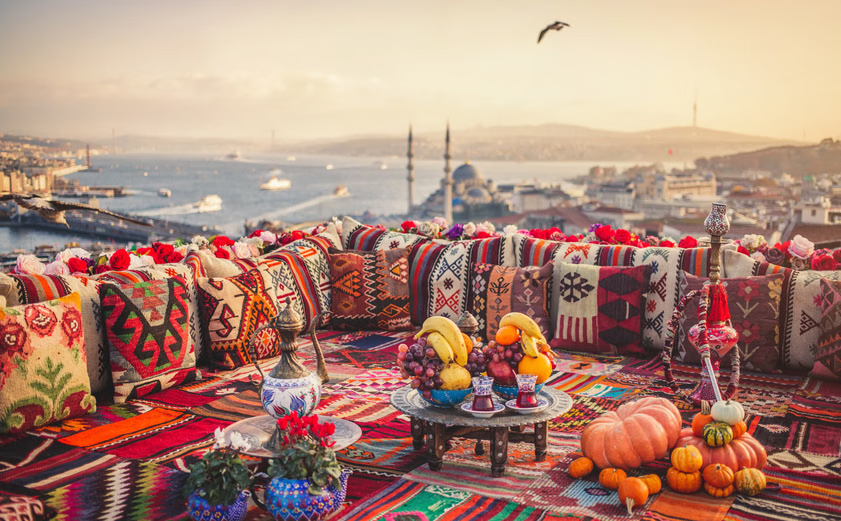
Discover Turkey – Where East Meets West Turkey is a captivating land where rich history, vibrant culture, and stunning landscapes converge. From the bustling bazaars of Istanbul and the iconic Hagia Sophia to the fairy chimneys of Cappadocia and the turquoise coasts of Antalya, Turkey offers an unforgettable blend of tradition and modernity. Cruise along the Bosphorus, explore ancient ruins in Ephesus, soar over Cappadocia in a hot air balloon, or relax on pristine Mediterranean beaches. Every journey through Turkey is a fascinating mix of history, adventure, and culinary delights.
Available Packages
Exclusive Turkey Honeymoon With Free Hammam Bath
7 Days 6 Nights
Planning your Turkey trip
Straddling Europe and Asia, Turkey pairs Istanbul's imperial skyline with the fairy-chimney valleys of Cappadocia, the white travertines of Pamukkale and the turquoise Mediterranean coast. For Indian travellers it is one of the most rewarding medium-haul destinations, blending world-class history, food and landscape into a single, well-connected trip. Turkey tour packages typically string together Istanbul, Cappadocia and the Aegean in 7-10 days, making it easy to see the highlights without backtracking.
Why visit Turkey
Few countries pack as much variety into one itinerary as Turkey. Istanbul alone spans two continents across the Bosphorus, with the Hagia Sophia, the Blue Mosque and the labyrinthine Grand Bazaar all within a walkable historic core. Beyond the city, Cappadocia delivers one of the planet's most surreal landscapes, while the Aegean and Mediterranean coasts add ancient ruins and beach time.
For Indian visitors, the appeal is also practical. Flight times are moderate, the cuisine is rich in vegetarian-friendly mezes, breads and grills, and Turkish hospitality is famously warm. Bargaining culture in the bazaars will feel familiar, and a single trip can satisfy history buffs, honeymooners and families alike.
Top highlights and experiences
A classic Turkey trip balances city culture, otherworldly nature and coastal relaxation. These are the experiences most packages are built around:
- Istanbul: Hagia Sophia, the Blue Mosque, Topkapi Palace, the Grand Bazaar and a sunset Bosphorus cruise between Europe and Asia.
- Cappadocia: a dawn hot-air balloon flight over Goreme's fairy chimneys, plus a night or two in a carved cave hotel.
- Pamukkale: the cascading white travertine terraces and the ancient city of Hierapolis perched directly above them.
- Ephesus: one of the best-preserved Greco-Roman cities, anchored by the grand Library of Celsus, near Selcuk.
- Antalya and the Turquoise Coast: old-town harbours, Mediterranean beaches and gateways to the Lycian ruins.
The Cappadocia balloon ride is weather-dependent and books out fast in peak season, so reserve it early and keep a buffer day in case a flight is postponed.
How to reach and get around
Istanbul is the main gateway, with frequent connections from major Indian metros via Turkish carriers and several one-stop options through Gulf hubs. Many itineraries fly into Istanbul and out of Izmir or Antalya (or vice versa) to save time.
Within Turkey, domestic flights are the smart choice for long hops such as Istanbul to Cappadocia or Cappadocia to the coast. For shorter regional legs — Pamukkale, Ephesus and the Aegean towns — private transfers or guided day tours are common, while Istanbul itself is best explored on foot, by tram and by ferry across the Bosphorus.
Best time to visit Turkey
| Season | Weather | Why go |
|---|---|---|
| April - May | Mild, blooming spring | Peak shoulder season: comfortable sightseeing in Istanbul and Cappadocia, clear skies for balloon flights and tulips in bloom across the city. |
| June - August | Hot, dry summer | Best for the Antalya and Aegean coasts and beach time, though inland cities and Cappadocia can get very hot and crowded at midday. |
| September - October | Warm, settled autumn | The other sweet spot: pleasant temperatures, fewer crowds than summer and reliable balloon-flying weather, with the sea still warm for swimming. |
| November - December | Cool, wetter low season | Quieter and cheaper, good for city breaks and bazaar shopping; pack layers and expect some rain and the occasional balloon cancellation. |
| January - February | Cold, occasional snow | Off-season prices and the magical sight of snow-dusted Cappadocia, but short days, chilly weather and limited coastal appeal. |
| March | Early-spring transition | Shoulder-season value before the April rush; weather is improving but variable, so plan flexible days for outdoor experiences. |
Turkey packages — FAQs
How many days do I need for a Turkey trip?
A well-paced first visit usually runs 7-10 days: roughly three nights in Istanbul, two in Cappadocia, and the remaining time split between Pamukkale, Ephesus and the coast. If you only have a week, focus on Istanbul and Cappadocia and save the Aegean for a future trip.
Do Indian travellers need a visa for Turkey?
Yes, Indians need a visa to enter Turkey. There is an e-Visa facility, but eligibility usually depends on holding a valid visa or residence permit from certain countries such as the Schengen Area, the US, the UK or Ireland; otherwise you may need a sticker visa. Visa rules and fees change often, so check the current Turkey e-visa requirements for Indian passport holders before booking.
What is the best time to visit Turkey from India?
April-May and September-October are ideal, offering mild weather, manageable crowds and good conditions for Cappadocia balloon flights. Summer suits the coast but is hot inland, while winter is cheapest and can bring atmospheric snow to Cappadocia.
Is the Cappadocia hot-air balloon ride worth it, and can I rely on it?
It is the signature Turkey experience and well worth booking. Flights are weather-dependent and can be cancelled for safety, so reserve early and keep a spare day in your itinerary so a postponed flight does not derail the rest of your trip.
Is Turkey vegetarian-friendly and good for Indian food preferences?
Yes. Turkish cuisine has plenty of vegetarian mezes, salads, breads, cheeses and grilled vegetables, and larger cities also have Indian and South Asian restaurants. Tell your guide or hotel in advance if you need strictly vegetarian or no-beef meals.
What currency is used and how should I budget?
Turkey uses the Turkish lira. Cards are widely accepted in cities, but carry some cash for bazaars, small towns and tips. Exchange rates and prices fluctuate, so confirm current costs for balloon rides, transfers and entry fees close to your travel date rather than relying on old figures.