

Explore Europe
About Europe
Traverse Through Timeless Europe — Together Step into a world of historic cities, artistic wonders, majestic landscapes, and unforgettable memories with our all-inclusive Europe Group Tour. From the Eiffel Tower’s glow in Paris to the canals of Venice and the alpine charm of Switzerland — this journey is crafted for travelers who want to explore the very best of Europe in the company of like-minded adventurers.
Available Packages
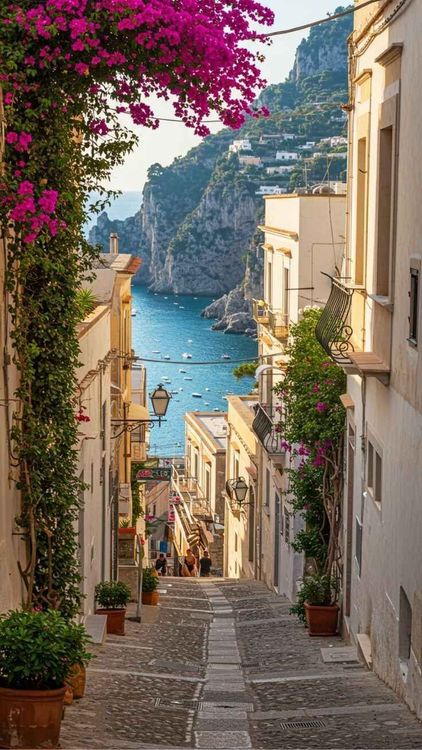
Best of Europe: A Grand Continental Journey
13 Days 12 Nights
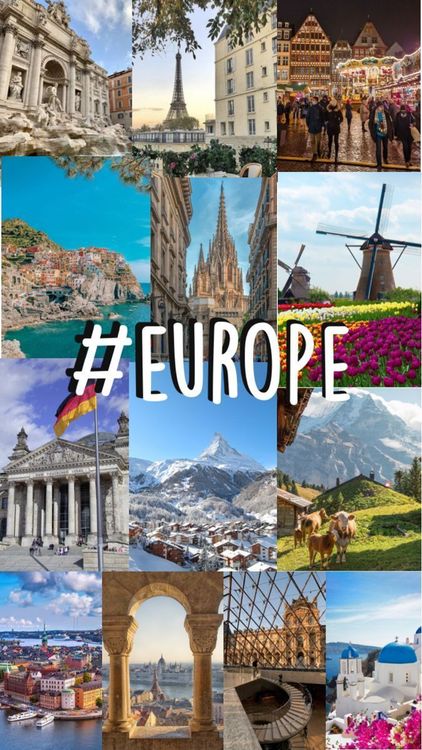
Europe Highlights
9 Days 8 Nights
Planning your Europe trip
A first Europe tour from India is rarely about one city — it is the thrill of stringing together Paris, the Swiss Alps, Italy's old capitals and the canals of Amsterdam or Prague in a single trip. Europe tour packages are built around this multi-country rhythm: fast trains and coaches link the highlights, so you wake up under the Eiffel Tower and, days later, watch the sun set over Venice. With a single Schengen visa opening most of the continent, a well-paced 8 to 15 night itinerary lets you cover the icons without the logistics headache.
Why a multi-country Europe tour
Europe rewards travellers who like variety. In one holiday you can move from the boulevards and museums of Paris, to the snow-capped peaks above Interlaken in Switzerland, to the ruins and piazzas of Rome and Venice in Italy, and on to the gabled canals of Amsterdam or the fairytale old town of Prague. Each border crossing brings a new language, cuisine and landscape, yet the distances are short enough to cover several countries in a week or two.
For Indian travellers, the appeal is efficiency: a single trip ticks off multiple bucket-list destinations, photography is spectacular in every season, and most marquee sights are clustered along well-trodden routes. Group-tour pacing — with a tour manager, pre-booked hotels and a fixed coach or rail plan — takes the guesswork out of your first European holiday.
Classic routes and highlights
Most Europe tour packages follow a few well-loved corridors. The France–Switzerland–Italy loop is the all-time favourite, pairing Paris, Alpine Switzerland and the Italian classics. Northern routes add the Low Countries and Central Europe.
- Paris — the Eiffel Tower, Louvre, Seine cruise and a day trip to the Palace of Versailles
- Switzerland — Jungfrau region, Interlaken, mountain railways and lakeside towns like Lucerne
- Italy — Rome's Colosseum and Vatican, the canals of Venice, and Renaissance Florence
- Amsterdam — canal cruises, Dutch museums and easy day trips to nearby windmill villages
- Prague — the medieval Old Town Square, Charles Bridge and Prague Castle in Czechia
Rail travel is part of the experience. Scenic trains through the Alps and high-speed links between major cities are comfortable, punctual and often more central than flying. Many group packages combine rail legs for the scenic stretches with coach transfers for flexibility.
How to reach and get around
From India, the usual gateways are Paris (CDG), Zurich, Rome, Amsterdam (Schiphol) or Frankfurt, with direct and one-stop flights from Delhi, Mumbai and other metros. A common pattern is to fly into one city and out of another — for example, arrive in Paris and depart from Rome — so you never backtrack.
Within Europe, multi-country tours rely on a mix of trains and coaches, with short budget flights occasionally used for longer hops. For visas, Indian passport holders generally need a Schengen visa, which covers most of the countries on these routes. Apply well in advance through the correct embassy or visa centre and check current Schengen visa rules, documentation and processing times before you book flights, as requirements can change.
Best time to visit Europe
| Season | Weather | Why go |
|---|---|---|
| April to May (spring) | Mild, fresh days with blossom and longer daylight | Pleasant sightseeing weather and thinner crowds than summer; great for Paris, Italy and Amsterdam's tulip season |
| June to August (summer peak) | Warm to hot, long sunny evenings | Peak season with the liveliest cities, clear Alpine views and full train and tour schedules; book early as prices and footfall are highest |
| September to October (autumn) | Cooling, crisp air with golden foliage | Comfortable temperatures, harvest season in Italy and fewer queues; a sweet spot for value and photography |
| November to early December | Cold, shorter days, festive sparkle | Quieter and cheaper, with Christmas markets in cities like Prague and Amsterdam, though some Alpine attractions scale back |
| December to February (winter) | Cold, snow in the Alps | Best for snow lovers and Swiss mountain scenery; some lakeside and rural sights have reduced hours and daylight is limited |
Europe packages — FAQs
How many countries can I realistically cover in one Europe tour?
For a comfortable first trip, three to four countries over 8 to 12 nights works well — for example France, Switzerland and Italy. You can add Amsterdam or Prague on a 13 to 15 night itinerary, but covering more than five or six countries in two weeks usually means a lot of transit and rushed stops.
Do Indian travellers need a visa for a multi-country Europe trip?
Yes. Most popular routes fall within the Schengen area, so Indian passport holders generally need a Schengen visa, which lets you travel across member countries on one application. Apply well in advance and check current Schengen visa rules, required documents and processing times before you book, as requirements can change.
What is the best time to take a Europe tour from India?
April to October is the most popular window, with June to August being peak season for warm weather and long evenings. Spring and autumn offer pleasant conditions with fewer crowds, while winter suits travellers who want Alpine snow and Christmas markets.
Is it better to travel by train or coach within Europe?
Most multi-country packages use both. Trains are fast, scenic and central — ideal for the Alpine stretches and between major cities — while coaches add flexibility for door-to-door transfers and smaller towns. The right mix depends on your route and how much scenery you want to see.
How long should my first Europe trip be?
Around 9 to 14 nights is ideal for a first multi-country tour. That gives you two to three nights in key cities like Paris, Switzerland's lake-and-mountain region and Rome, with enough time to enjoy each place rather than just passing through.
Are Europe tour packages suitable for families and first-time travellers?
Yes. Group packages with a tour manager, pre-booked hotels and fixed transfers are well suited to families and first-timers, since the logistics, navigation and language barriers are handled for you. Look for itineraries with a balanced pace and some free time built in for shopping or relaxing.