

Explore Bhutan
About Bhutan
Discover Bhutan – The Land of Happiness Bhutan, nestled in the Eastern Himalayas, is a serene kingdom where spirituality, nature, and tradition coexist in perfect harmony. Known for its pristine landscapes, ancient monasteries, and focus on Gross National Happiness, Bhutan offers travelers a peaceful escape from the modern world. Wander through the vibrant streets of Thimphu, hike to the iconic Tiger’s Nest Monastery in Paro, or soak in the beauty of Punakha’s lush valleys. With its snow-capped peaks, fluttering prayer flags, and warm-hearted people, Bhutan feels timeless — a place where every journey nourishes the soul.
Available Packages
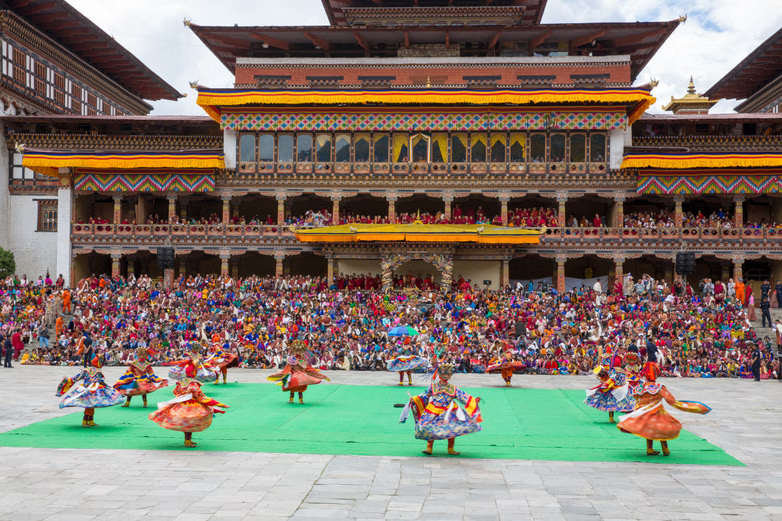
Glimpse of Bhutan | From Sacred Sites to Scenic Wonders
7 Days 6 Nights
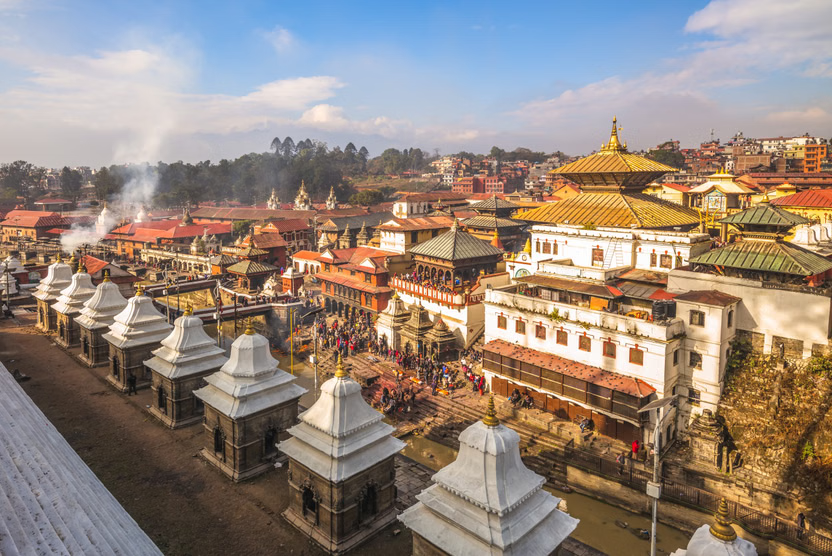
Bhutan & Nepal Vacation
7 Nights 8 Days
Planning your Bhutan trip
A Himalayan kingdom of cliff-clinging monasteries, fortress dzongs and forested valleys, Bhutan is one of the most rewarding short trips an Indian traveller can take. Our Bhutan tour packages link the classic triangle — Paro, Thimphu and Punakha — with the iconic Tiger’s Nest hike, the prayer-flag-draped Dochula Pass and time inside Bhutan’s great dzongs. We arrange your entry permit and Sustainable Development Fee, private transfers and an unhurried pace, so all you do is travel.
Why visit Bhutan
Few destinations feel as intact as Bhutan — a country that measures progress in happiness, guards its forests and culture fiercely, and rewards visitors with clean mountain air and genuine warmth. It is close to home, easy to reach and unlike anywhere else.
- Tiger’s Nest (Paro Taktsang) — Bhutan’s signature sight, a monastery clinging to a sheer cliff above the Paro valley.
- Dzongs & monasteries — the colossal Punakha Dzong and Thimphu’s Tashichho Dzong are the heart of Bhutanese life.
- Dochula Pass — 108 chortens and, on a clear day, a sweep of the high Himalaya.
- Tshechu festivals — masked dances and pageantry that turn a temple courtyard into the trip’s highlight (seasonal).
What to see — Paro, Thimphu & Punakha
- Paro: the valley you fly into, home to the Tiger’s Nest hike, Rinpung Dzong and the National Museum.
- Thimphu: the capital — Tashichho Dzong, the giant Buddha Dordenma, weekend markets and the takin preserve.
- Punakha: the old winter capital, reached over Dochula Pass, with Bhutan’s most beautiful dzong at the river confluence.
- Add more time: the Phobjikha (Gangtey) valley and Bumthang reward a longer, slower itinerary.
How to reach Bhutan
Most travellers fly into Paro (PBH), with connections from Indian hubs such as Delhi, Kolkata, Bagdogra and Guwahati — a spectacular Himalayan approach. You can also travel overland via Phuentsholing on the West Bengal border. Indian travellers need an entry permit and must pay Bhutan’s Sustainable Development Fee (SDF) — we arrange both as part of your package, so the paperwork is handled before you arrive.
Best time to visit Bhutan
| Season | Weather | Why go |
|---|---|---|
| Mar – May (Spring) | Mild, blossoms | Rhododendrons in bloom and pleasant trekking weather — the prime season for the Tiger’s Nest. |
| Sep – Nov (Autumn) | Clear & crisp | The clearest Himalayan views of the year and major tshechu festivals — the most popular window. |
| Dec – Feb (Winter) | Cold but sunny | Fewer crowds and sharp blue skies in the lower valleys; high passes can see snow. |
Bhutan packages — FAQs
How much does a Bhutan tour package cost from India?
Our Bhutan packages range from about ₹42,950 to ₹1,61,000 per person (twin-sharing, land package) for a 6–8 night trip, depending on hotels, season and inclusions. The Sustainable Development Fee and entry permit are factored in. Tell us your dates and group size for an exact quote.
Do Indians need a visa for Bhutan?
Indian travellers don’t need a conventional visa, but they do need an entry permit and must pay Bhutan’s Sustainable Development Fee (SDF). We arrange both the permit and the SDF for you as part of the package, so the paperwork is sorted before you travel.
What is the best time to visit Bhutan?
March to May (spring) brings mild weather and blossoms, ideal for the Tiger’s Nest hike, while September to November (autumn) offers the clearest Himalayan skies and the big tshechu festivals. Winter is cold but sunny in the lower valleys. We plan your route around the season you choose.
How do I get to Bhutan from India?
Most travellers fly into Paro (PBH) with connections from Delhi, Kolkata, Bagdogra or Guwahati. You can also travel overland via Phuentsholing on the West Bengal border. We arrange transfers, the entry permit and the SDF whichever way you arrive.
How many days do you need for Bhutan?
The classic Paro–Thimphu–Punakha triangle, including the Tiger’s Nest hike, works beautifully in 6–7 nights. Add the Phobjikha valley or Bumthang and 8 nights gives a slower, deeper trip. We tailor the pace to your interests and fitness.
Is the Tiger’s Nest hike difficult?
It’s a moderate half-day hike of roughly 3–5 hours return, climbing steadily at altitude. We schedule it later in the itinerary so you’re acclimatised, keep the pace gentle and can arrange a pony for the lower section — most reasonably fit travellers manage it well.