

Explore Iceland
About Iceland
Experience Iceland – The Land of Fire and Ice Iceland is a land of raw beauty and natural wonder — where glaciers meet volcanoes, waterfalls carve through black-sand landscapes, and the Northern Lights dance across the Arctic sky. Every turn in Iceland reveals a new masterpiece of nature, from the thundering Gullfoss Falls and steaming Geysir Hot Springs to the serene Blue Lagoon and otherworldly lava fields. Whether you’re chasing the midnight sun in summer or the aurora borealis in winter, Iceland offers a unique blend of adventure, tranquility, and awe. Explore Reykjavik’s vibrant culture, trek across glaciers, soak in geothermal pools, or drive along the stunning Ring Road for the journey of a lifetime.
Available Packages
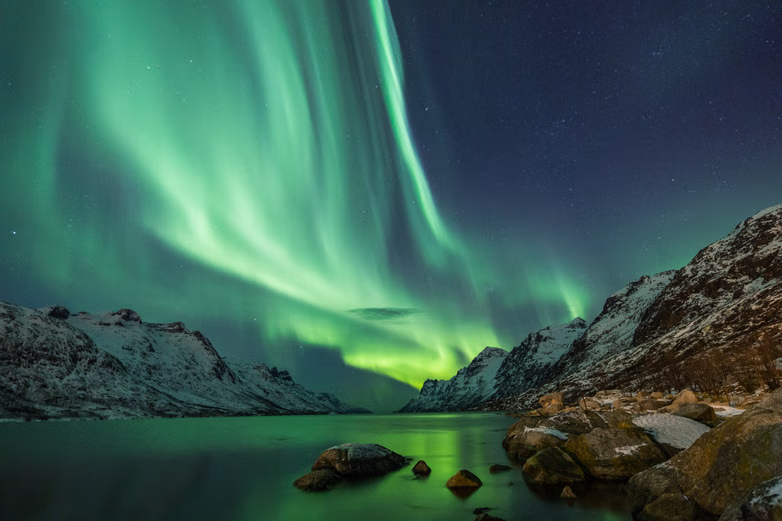
Glimpse of Iceland with FREE Whale Watching Tour
5 Nights 6 Days
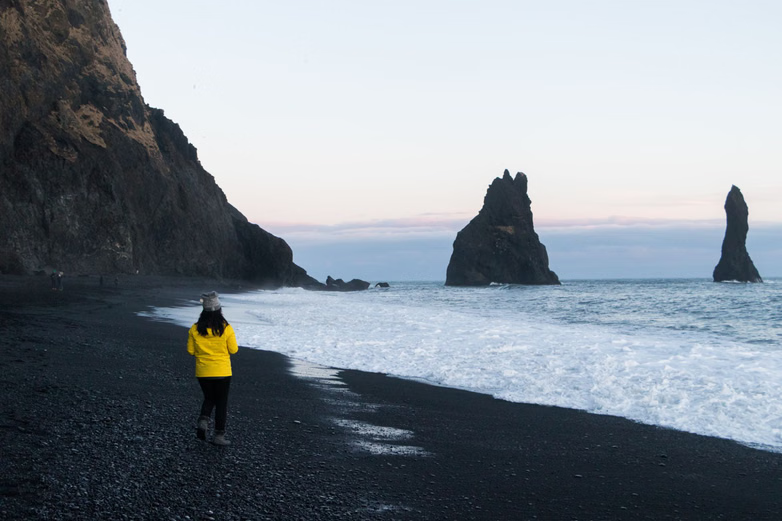
Glimpse of Iceland
5 Nights 6 Days
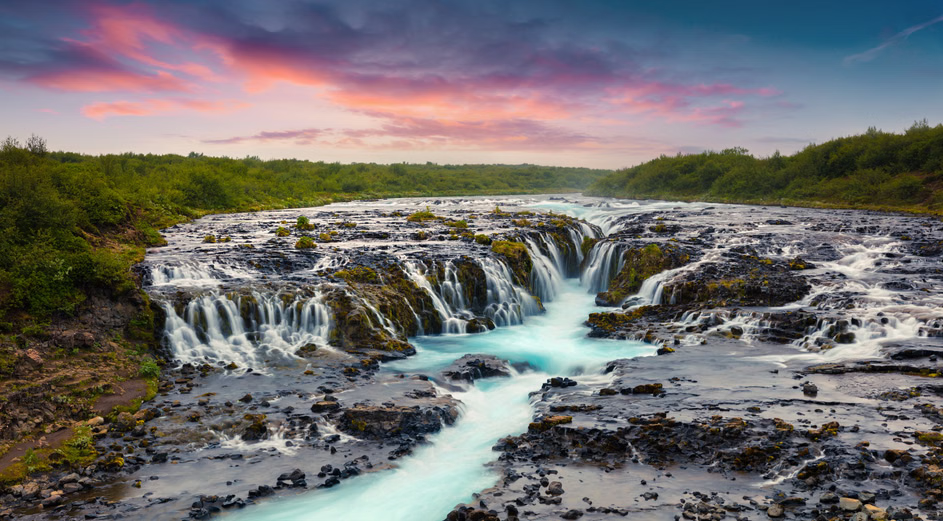
Iceland with Southern Shores Adventure
5 Days 4 Nights
Planning your Iceland trip
Iceland is a land of fire and ice where active volcanoes, glaciers, geothermal lagoons and thundering waterfalls sit within easy reach of one another, making it one of the most rewarding self-drive and small-group destinations in Europe. From the Golden Circle and the black-sand drama of the South Coast to the dancing Northern Lights in winter and the midnight sun in summer, an Iceland tour packs a lifetime of landscapes into a single compact island. For Indian travellers, it pairs naturally with a wider Europe trip and is part of the Schengen area.
Why Visit Iceland
Few places concentrate so much raw nature into so small an area. In a single day from Reykjavik you can stand in the rift valley between the North American and Eurasian tectonic plates at Thingvellir, watch the Strokkur geyser erupt in the Geysir geothermal area, and feel the spray of the powerful two-tiered Gullfoss waterfall, the classic loop known as the Golden Circle. Drive further along the South Coast and the scenery only intensifies, with cliff-top waterfalls, glacier tongues and volcanic beaches one after another.
Iceland is also famously safe, English-friendly and easy to navigate, which makes it a comfortable first long-haul nature trip for Indian families and couples. The country has no railways, so almost every memorable Iceland tour is built around driving the Ring Road or joining guided day tours out of the capital. The trade-off is cost: Iceland is one of Europe's pricier destinations, so budgeting for fuel, food and excursions matters.
Highlights Not to Miss
Most itineraries blend the greatest hits near Reykjavik with the wilder landscapes of the south. These are the anchors worth building your trip around:
- Golden Circle: Thingvellir National Park, the Geysir geothermal area (where the Strokkur geyser erupts regularly) and the two-tiered Gullfoss waterfall, all within a short drive of Reykjavik.
- South Coast waterfalls: Seljalandsfoss, which you can walk behind, and the broad, photogenic Skogafoss.
- Reynisfjara black-sand beach near Vik, with its basalt columns and powerful waves (keep well back from the sea, as sneaker waves are dangerous).
- Jokulsarlon glacier lagoon and the nearby Diamond Beach, where icebergs drift toward the ocean and glint on black sand.
- Blue Lagoon, the milky-blue geothermal spa close to Keflavik airport, ideal as a relaxing first or last stop.
- The Ring Road (Route 1), the loop highway that links Iceland's regions for longer self-drive adventures.
Seasonal showstoppers depend on when you go: the Northern Lights are visible on clear, dark nights roughly from September to March, while the midnight sun keeps the sky bright almost around the clock through the peak summer weeks around June.
How to Reach and Get Around
There are no direct flights from India to Iceland, so most travellers connect through a European hub such as London, Frankfurt, Paris, Amsterdam or Helsinki and fly on to Keflavik International Airport, about 45 minutes from Reykjavik. Booking the long-haul and the Iceland leg as a connected itinerary usually keeps things simplest, and it lets you combine Iceland with another Schengen city if you wish.
On the ground, a self-drive car or camper gives the most freedom, especially for the Ring Road and South Coast. In winter you'll want a 4x4 and confidence driving on icy roads, otherwise guided day tours and multi-day coach tours from Reykjavik cover the Golden Circle, South Coast and aurora hunts without you taking the wheel. Always check live road and weather conditions before setting out, as conditions change fast.
Best time to visit Iceland
| Season | Weather | Why go |
|---|---|---|
| June to August (Summer) | Mild, around 10-15C, very long days with the midnight sun | Best for self-drive, the Ring Road, Highlands access and reliable road conditions; the busiest and priciest window, so book early. |
| September to October (Autumn) | Cool, around 5-10C, shorter days, changeable weather | Shoulder season with fewer crowds, autumn colours and the return of dark skies for early Northern Lights. |
| November to February (Winter) | Cold, around 0C or below, short daylight, snow | Prime Northern Lights season plus ice caves and frozen waterfalls; expect very limited daylight and possible road closures. |
| March to April (Early Spring) | Cold to cool, with gradually lengthening days | Still good aurora chances with improving daylight; a quieter, often better-value alternative to peak winter. |
| May (Late Spring) | Cool, around 5-10C, long and brightening days | Green landscapes, returning wildlife and lighter crowds before the summer rush; a sweet spot for value and daylight. |
Iceland packages — FAQs
Do Indian passport holders need a visa for Iceland?
Yes. Iceland is part of the Schengen area, so Indian travellers need a Schengen visa rather than a separate Iceland visa. Apply through the relevant embassy or visa centre and check current visa rules, document requirements and processing times well before booking, especially in the busy summer season.
How many days do I need for an Iceland trip?
For the highlights, a 4 to 5 day trip covers Reykjavik, the Golden Circle, the South Coast waterfalls and the Blue Lagoon. To drive the full Ring Road around the island at a comfortable pace, plan around 7 to 10 days so you are not rushing the long distances.
When is the best time to see the Northern Lights in Iceland?
The Northern Lights are typically visible from September to March, when the nights are long and dark. Sightings need clear skies and some solar activity, so they are never guaranteed; basing yourself away from city lights and allowing several nights improves your chances.
Is Iceland expensive for Indian travellers?
Iceland is one of Europe's more expensive destinations, particularly for food, fuel and guided tours. You can manage costs by self-catering some meals, refilling free tap water, travelling in shoulder season and booking accommodation and car hire well in advance. Build a comfortable buffer into your budget.
Should I self-drive or take guided tours in Iceland?
Self-driving gives the most freedom for the Ring Road and South Coast and suits summer travel well. In winter, icy roads and limited daylight make guided day tours from Reykjavik a safer, low-stress choice for the Golden Circle, South Coast and aurora hunts. Many travellers mix both.
Can I visit the Blue Lagoon and other geothermal spas?
Yes. The Blue Lagoon near Keflavik airport is the most famous geothermal spa and works well as a first or last stop on a trip. It is popular, so pre-booking a time slot is strongly recommended. Iceland also has many other hot springs and geothermal pools worth exploring.